BATwireless Custom Wireless Antennas for IoT and 5G Devices
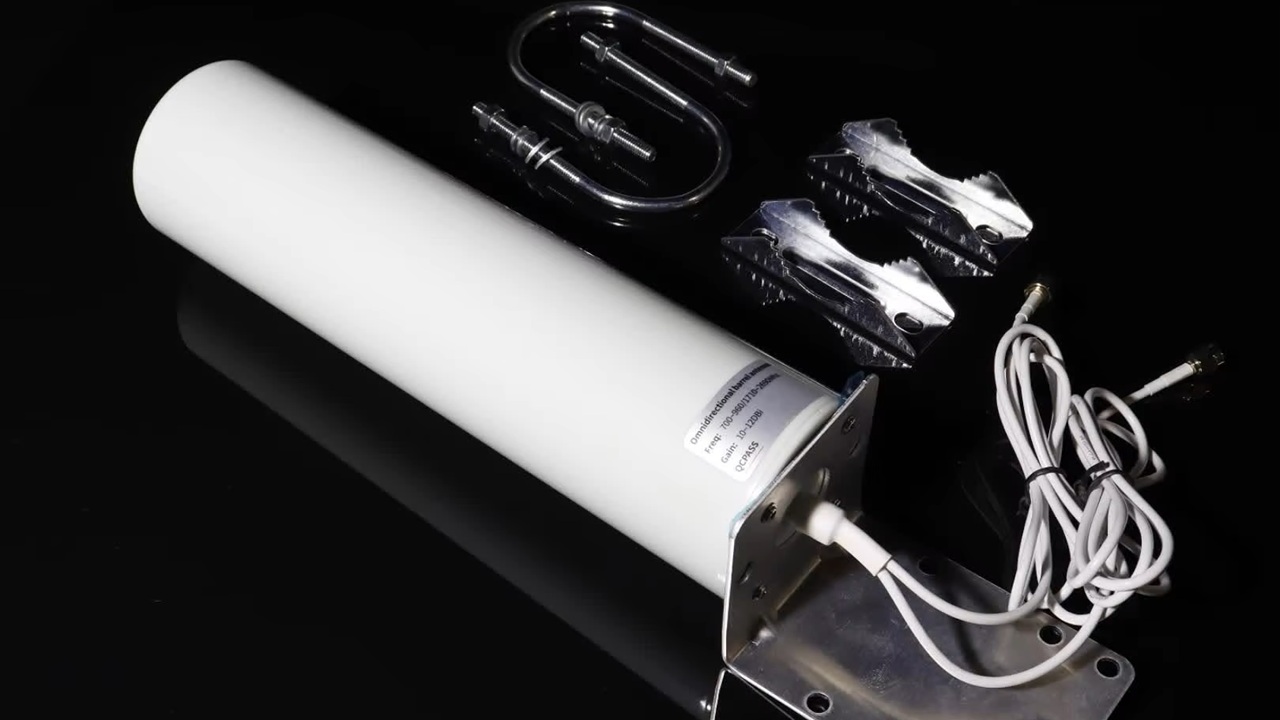
Modern technology is fundamentally based on wireless connections. Antennas now are an important factor in the success of the Internet of Things (IoT) as it grows, as well as the growth of 5G networks, as they allow devices to be connected steadily and speedily. BATwireless is also the manufacturer of custom wireless antennas to match the needs of these devices, in terms of performance, size, and environmental constraints. These antennas are designed to be highly efficient, with minimum interference and high resistance to weather, and with efficient long-range connectivity in the various applications of the world.
Understanding IoT Device Needs
IoT devices are available in various forms, such as miniature wearables and huge industrial monitoring systems. The devices require antennas that occupy a small space, yet they produce good-quality signals. This would enable BATwireless to change the design of the antenna to suit the specific form factor of the device without affecting its performance, using a custom design.
5G Frequency Challenges
The 5G networks are available in various bands, such as sub-6GHz and mmWave. The propagation of each frequency is different, which influences range and penetration. Special antennas are adapted to address the frequencies effectively and ensure that a device has a steady connection even when it is inside or in a dense city.
Single and Multi-Band Selections
Most IoT and 5G devices need to have multi-band connectivity to different networks and areas. BATwireless designs antennas that can operate on either a single or multi-band. Multi-band antennas minimize the need for multiple modules, making device design easier and reducing space requirements.
Polarization and Radiation Patterns
Various applications require specific polarization and radiation patterns. BATwireless can customize antennas for linear or circular polarization. Individual radiation patterns will help to ensure that the signals are directed to target devices in the most efficient way, and they are more reliable and less intrusive in crowded areas.
Choices in Material and Substrate
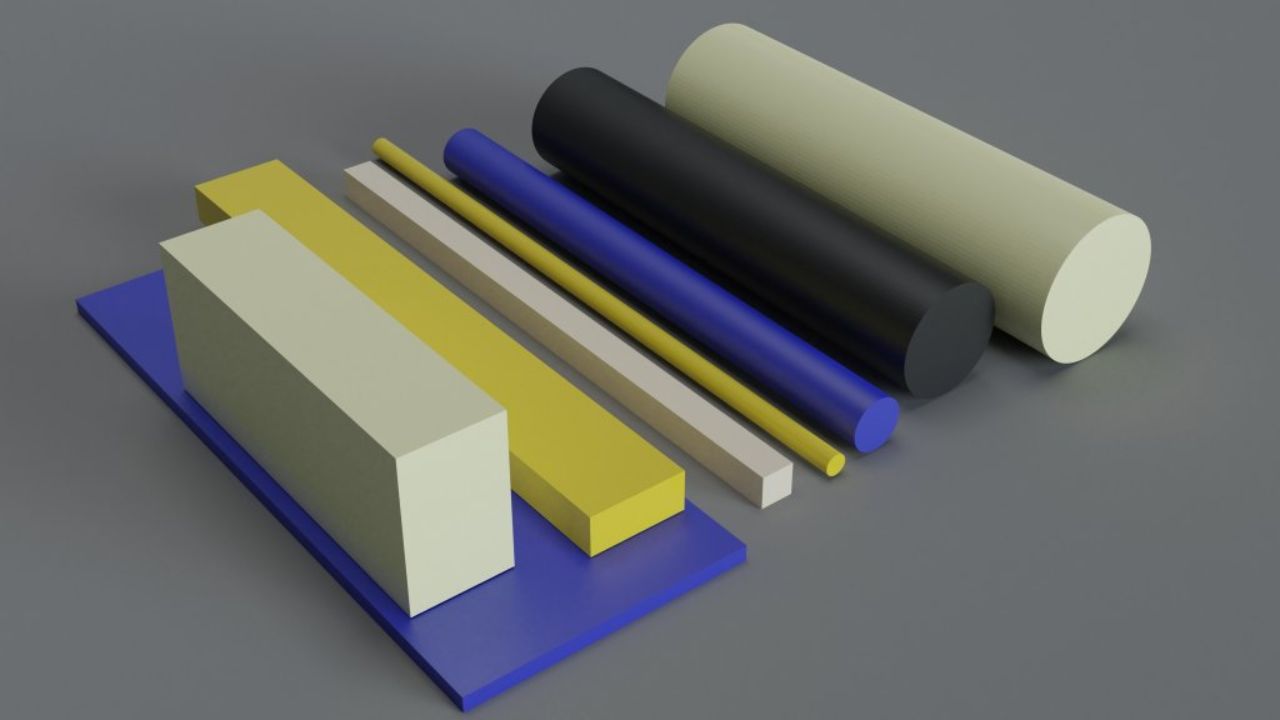
Antenna materials have an effect on performance and life Cycle. Curved devices or wearable devices are made on flexible substrates like polyimide (PI) or PET. With mmWave, high-frequency antennas can be made of specialized laminates. BATwireless will select materials based on device needs, with an appropriate balance between performance and manufacturing capability.
Simulation-Driven Design
Before fabrication, antenna designs are heavily simulated. Tools such as HFSS and CST enable engineers to model the electromagnetic behavior, optimize impedance matching, and validate bandwidth. Simulations minimize the trial and error in the prototyping process and enhance the efficiency of the entire design process.
Prototyping and Primary Testing
After the design is developed, prototypes are made for testing. Preliminary testing measures the important parameters like return loss, VSWR, and gain. The step will guarantee that the antennas satisfy design goals prior to the production phase, which involves mass production to minimize instances of non-performance in the installed systems.
Impedance Tuning and Matching
Impedance matching is critical for signal transmission. BATwireless will tune antenna structures in a prototype to obtain a target impedance of typically 50 ohms. Modifications can be a change of length, addition of stubs, or adjusting the feedline, all to reduce signal reflection and signal loss.
Environmental Considerations
IoT and 5G devices are frequently used in adverse environments. Custom antennas go through testing on temperature tolerance, vibration, and exposure to moisture or dust. BATwireless is also ensuring that antenna performance is not affected in these circumstances, thereby increasing the devices’ efficiency in the real environment.
Scaling to Mass Production
Designs undergo testing and validation after which they move into mass production. BATwireless uses the same manufacturing processes and quality control so that every antenna is produced to specifications. Customization options may be kept at a higher level, and clients can use the devices in various locations or network setups without affecting performance.
Promoting the Innovation of Devices
The custom wireless antennas make it possible for innovation by permitting devices to fulfill a particular connectivity requirement without being limited by off-the-shelf options. BATwireless could play a role in such an innovation in terms of providing a flexible design and massive test along with scalable production that will allow the IoT and 5G devices to link without any issues.
Conclusion
The IoT and 5G technology require wireless connectivity to be developed. Custom antennas can solve the specific problems of devices, whether it is size, multi-band operation, or environmental resistance. BATwireless uses an all-inclusive integration methodology that connects design, testing, and manufacturing to ensure that the antennas meet the unique needs of contemporary connected devices. This method helps devices maintain steady signal quality and supports smooth communication and stable functionality across varying conditions.