Why Your Everyday Carry Deserves Peakzooc Precision
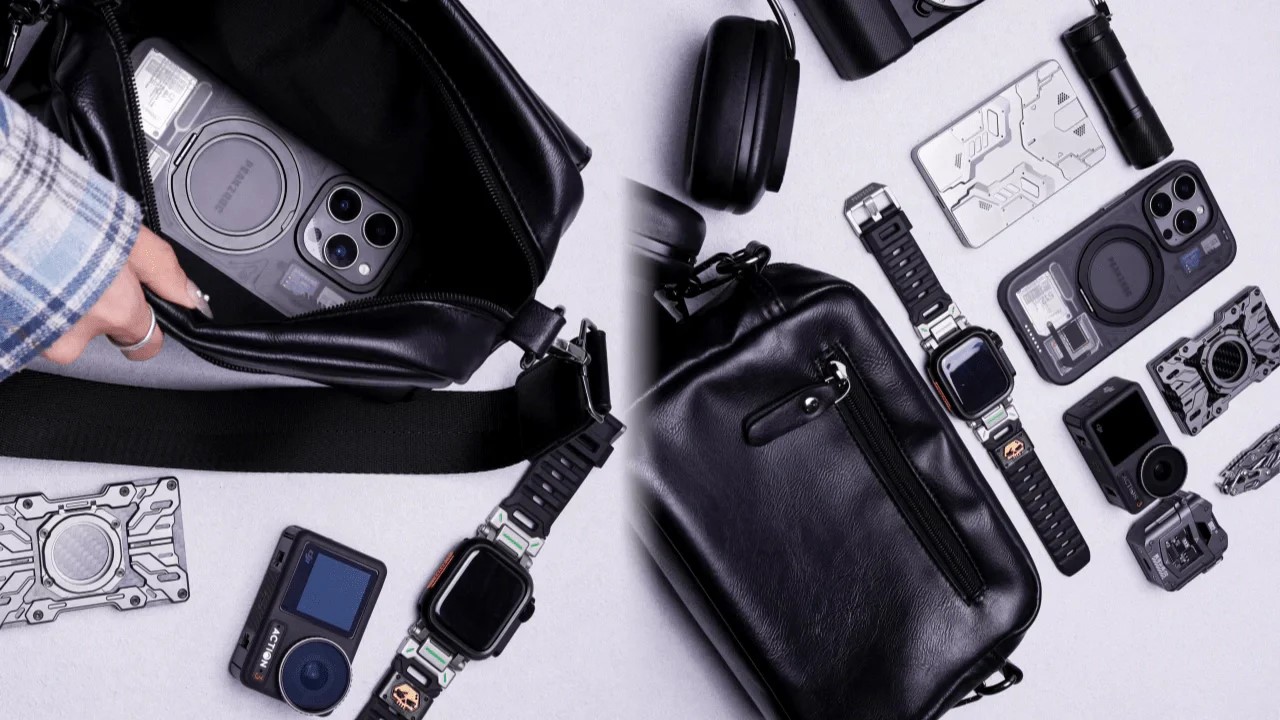
Everyday carry products have minor daily uses. These tools are phones, wallets, keys and compact gears. They are used by individuals when working, travelling and in their day-to-day activities. Since these items are touched upon frequently, the quality of the building is also important. Minor features may alter the feel and performance of the tools. Designing accuracy facilitates ease, stability and reliability in day-to-day activities. Peakzooc focuses on structured construction and carefully shaped accessories. The style is associated with a minimalistic look as well as reliability.
Why Precision Matters in Small Gear
Precision implies a careful shaping, precise sizing and tight construction. Minor accessories should be in place without falling or putting tension on the devices. Precision prevents the lack of alignment of the parts or unequal pressure over time. Sharp edges are less rough and less dangerous to handle. A proper sense of balance is good to make items feel balanced in the hand. Such specifications minimize friction and wear and accidental falls. Precision is helping ensure long-term durability and keeping it clean.
Material Choice Affects Performance
Materials play a large role in strength and feel. Aluminum is common because it offers durability without being heavyweight. Metal frames can resist bending during daily handling. Smooth surfaces help prevent scratches on nearby items. Strong materials also protect devices from minor impacts. Precision machining keeps material thickness consistent across parts. Even small variations can affect stability and alignment. Quality materials support both reliability and daily comfort.
Fit and Alignment Improve Function
Accessories should match the shape of devices closely. Proper fit prevents wobbling or uneven pressure on surfaces. Alignment also affects magnetic and charging performance in some tools. Poor alignment may reduce accessory effectiveness or stability. Precise fitting supports safe device placement on stands or holders. Accurate shaping keeps tools stable even with repeated daily use. Consistency in fit reduces long-term stress on components.
Stability Supports Everyday Use
Many everyday carry accessories support devices on desks or work areas. Stability prevents shaking during typing or touch interaction. A stable base reduces the chance of accidental falls. Balanced weight distribution keeps the stand firm on flat surfaces. Non-slip pads or textured bases can increase grip. These small design choices come from careful measurement and testing. Stability improves confidence during regular device handling.
Comfort Matters Over Long Periods
Items that people carry on a daily basis are handled and transferred frequently in a day. Protruding edges or surfaces will be uncomfortable in the long run. Even finishes ensure protection of contact with skin. Proper weight helps items feel solid but not heavy. Proportional balances are easier to carry in pockets or bags. The fact that a person feels comfortable increases the chances of using the tools appropriately. Precision shaping has an immediate impact on comfort and ease daily.
Clean Design Helps Organization
Precision also supports a clean and simple design language. The visual clutter or lines are minimized by straight lines and measured shapes. An office desk or bag may look better when it is neat. The finishes of accessories should be matched to enhance consistency. Minimal design avoids extra parts that may loosen or break. Clear structure helps users recognize each tool’s purpose quickly. Organized environments support better focus and efficiency.
Magnetic and Mechanical Accuracy
Some accessories use magnets or moving parts for function. Magnetic alignment requires accurate ring placement inside structures. Poor positioning can weaken hold strength or charging alignment. Mechanical components also rely on measured tolerances. Tight assembly prevents rattling or uneven motion. Precision ensures moving parts work smoothly without early wear. Reliable function supports daily confidence in the gear.
Consistency Across Daily Conditions
Everyday carry tools move between indoor and outdoor settings. Temperature shifts and handling conditions can stress materials. Well-measured construction reduces expansion or contraction issues. Secure joints prevent loosening after repeated motion. Surface finishing helps resist marks from friction or contact. Consistency means tools perform the same across environments. Reliable function supports steady daily routines.
Visual Appeal Without Excess
Precision often leads to a simple but refined appearance. Clean metal finishes and smooth curves reflect careful manufacturing. Balanced proportions make accessories look intentional, not bulky. A calm appearance suits both work and home environments. Simple design also highlights practical purpose over decoration. This approach aligns form with function in daily tools.
Conclusion
Everyday carry tools handle many small tasks across daily life. Precision in design boosts comfort, strength, and stability. Proper fit, balanced weight, and quality materials ensure durability. Careful shaping cuts wear and enhances handling safety. Stable structures protect devices during regular placement and movement. Clean design adds order without unnecessary complexity. Durable construction lowers replacement needs and supports reliability. Magnetic and mechanical accuracy ensure smooth daily function. Consistency across environments builds trust in everyday tools. When design focuses on measured construction, the daily gear performs with steady dependability.