The Anti-Dumping Tax Problem Nobody Mentions When You're Buying Steel Pipe Internationally
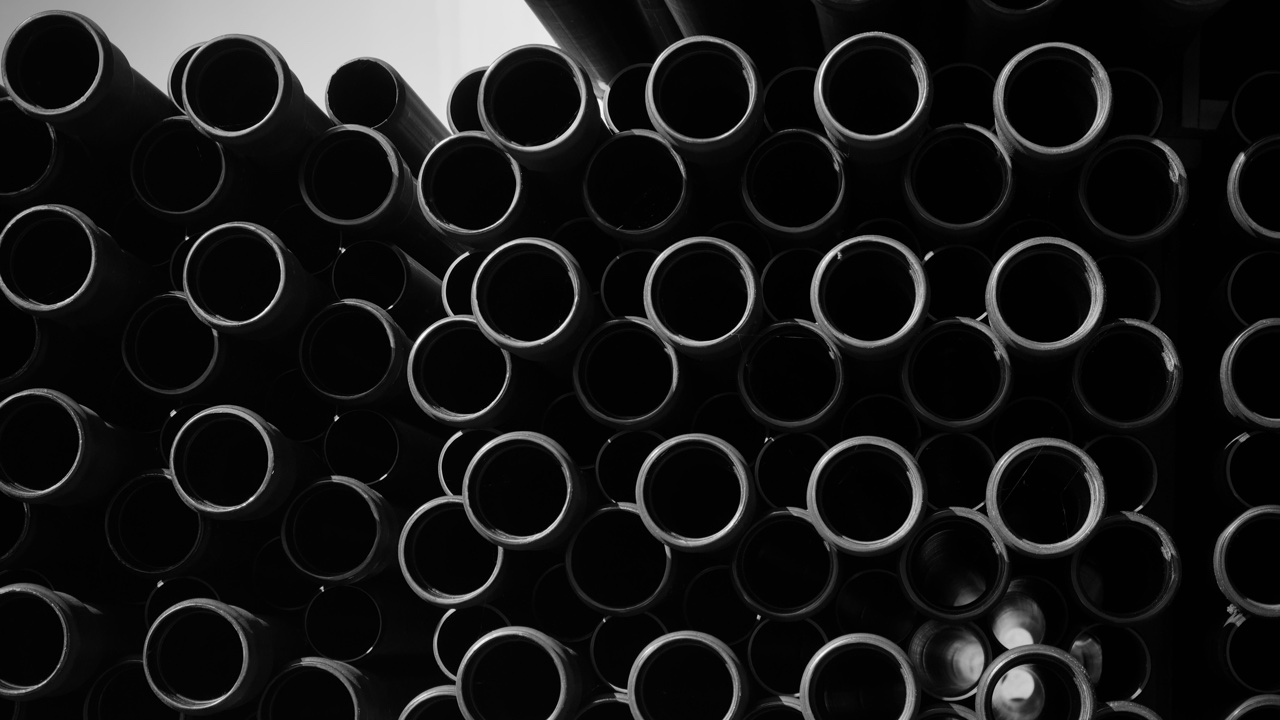
Steel pipe is one of the most heavily trade-regulated commodity categories in the world. The United States, the European Union, Canada, Australia, and a growing list of other jurisdictions have active anti-dumping and countervailing duty orders covering various categories of steel pipe from various countries of origin. The rates on some of these orders run into the hundreds of percent. A procurement team that sources steel pipe internationally without accounting for trade compliance early in the process is taking on a cost risk that can turn a competitive quote into a loss.
This isn’t a niche problem for sophisticated importers. It catches procurement teams regularly, usually because the anti-dumping liability wasn’t visible at the quote stage, became clear only at customs, and by then the material was already in transit.
How Anti-Dumping Duties Work and Why They’re Easy to Miss
Anti-dumping duties are tariffs imposed on top of normal customs duties when an importing country’s trade authority determines that foreign suppliers are selling below the cost of production — “dumping” — to undercut domestic manufacturers. Countervailing duties address government subsidies that give foreign producers an unfair cost advantage. Both mechanisms produce additional import costs that are separate from, and often much larger than, the standard customs tariff.
The complication is that these orders are product-specific and origin-specific. An order on oil country tubular goods from Country A doesn’t affect OCTG from Country B or structural pipe from Country A. The combination of product classification (determined by HTS code) and country of origin determines whether a duty order applies and at what rate.
Rates within a single order vary by producer. When a trade authority investigates dumping, it calculates individual margins for the major producers it examines and assigns separate rates to each. Producers not specifically examined receive an “all others” rate, which is sometimes lower than the individual rates and sometimes higher. A specific supplier from a country covered by an order may have a low individual rate — or a rate of zero if they passed a review — while another supplier from the same country faces a rate of 150 percent. These rates change over time through annual administrative reviews.
The result is a compliance landscape where the relevant duty rate depends on the specific producer, not just the country of origin, and where the rate in effect at the time of importation may differ from the rate in effect when the contract was signed.
The Transshipment Problem
The approach that gets procurement teams into serious trouble is transshipment: buying pipe from a country subject to high duties, routing it through a third country, and importing it under the third country’s origin. A supplier in Country A ships to Country B, minimal processing happens (repackaging, relabeling, minor cutting), and the material enters the destination market as Country B origin — which may face no duties or much lower rates.
This is not a gray area. Customs authorities in the US, EU, and other major markets treat transshipment that doesn’t involve substantial transformation as origin fraud. The consequences for the importer are seizure of the goods, penalties on the duty owed, and in serious cases, debarment from future importation. The fact that the importer didn’t know — that the supplier handled the logistics and the paperwork looked clean — is not a reliable defense once the customs authority investigates the supply chain.
The tells that a deal may involve transshipment are: pricing that seems significantly below market for the stated origin, a supplier who is vague about manufacturing location or who has changed their stated manufacturing location recently, routing that involves a country not known for steel pipe production, and documentation that doesn’t include mill certificates traceable to the actual manufacturing facility.
None of these is conclusive individually. Together they suggest that more due diligence is warranted before signing.
Origin Documentation and Why It Needs to Go Back to the Mill
A certificate of origin issued by a chamber of commerce in the exporting country documents where the goods were shipped from, not where they were manufactured. For steel pipe, the relevant document for customs purposes is one that traces the material back to the production facility — the mill test certificate, which identifies the heat number, the manufacturing location, and the production records for the specific pipe being shipped.
Customs authorities investigating origin questions look at mill certificates, not chamber certificates. A shipment that can produce mill certificates from a reputable facility in the stated country of origin with traceable heat numbers and production records is in a much better position than one that has a chamber certificate and nothing else.
This is one of the practical arguments for buying from established manufacturers with proper documentation infrastructure. A manufacturer who issues mill certificates with traceable heat numbers, who can provide a certificate of conformance to the applicable standard, and whose facility and production records are verifiable has documentation that holds up under customs scrutiny. A trading company assembling material from multiple sources and issuing its own documentation does not provide the same protection.
Building Compliance Into the Procurement Process
The correct time to assess trade compliance is during supplier qualification, before the RFQ goes out — not after a competitive bid is selected.
The first step is classifying the pipe accurately. Steel pipe spans multiple HTS codes depending on wall thickness, end treatment, whether it’s threaded, and the application (structural, pressure, line pipe, OCTG). The duty landscape differs across these classifications, and misclassification creates either unexpected duty liability or missed duty savings.
The second step is checking the current duty orders for the product classification and the supplier’s country of origin. The USITC, the EU’s trade defense database, and equivalent resources in other jurisdictions maintain current order listings with rates by producer. This check takes less than an hour and reveals whether the supplier’s origin is subject to active orders and at what rates.
The third step is verifying the supplier’s individual rate if they are from a country covered by an active order. A producer who has been examined in an annual review and received a low individual rate — or a zero rate — is in a very different position from one receiving the “all others” rate. This information is publicly available in the administrative review determinations.
The final step is pricing the landed cost inclusive of all applicable duties before comparing quotes. A supplier with a lower FOB price but a high anti-dumping rate may deliver higher total cost than a supplier with a higher FOB price and no duty exposure. The comparison that matters is landed cost at the point of use, not FOB price.
Sourcing steel pipe solutions from UNIACERO as a manufacturer with established export documentation — mill certificates, material test reports, certificates of conformance to API and ASTM standards — provides the paper trail that customs compliance requires. The traceability from finished pipe back to the production heat is what separates a shipment that clears cleanly from one that triggers a customs examination at the wrong moment in a project schedule.
Trade compliance in steel pipe procurement is not complicated, but it requires doing the work before the purchase order is placed. The cost of doing that work is a few hours of research. The cost of not doing it can be an entire shipment held at customs while a project waits.