The Difference Between a Throw Blanket and a Decorative Accent — and Why It Matters
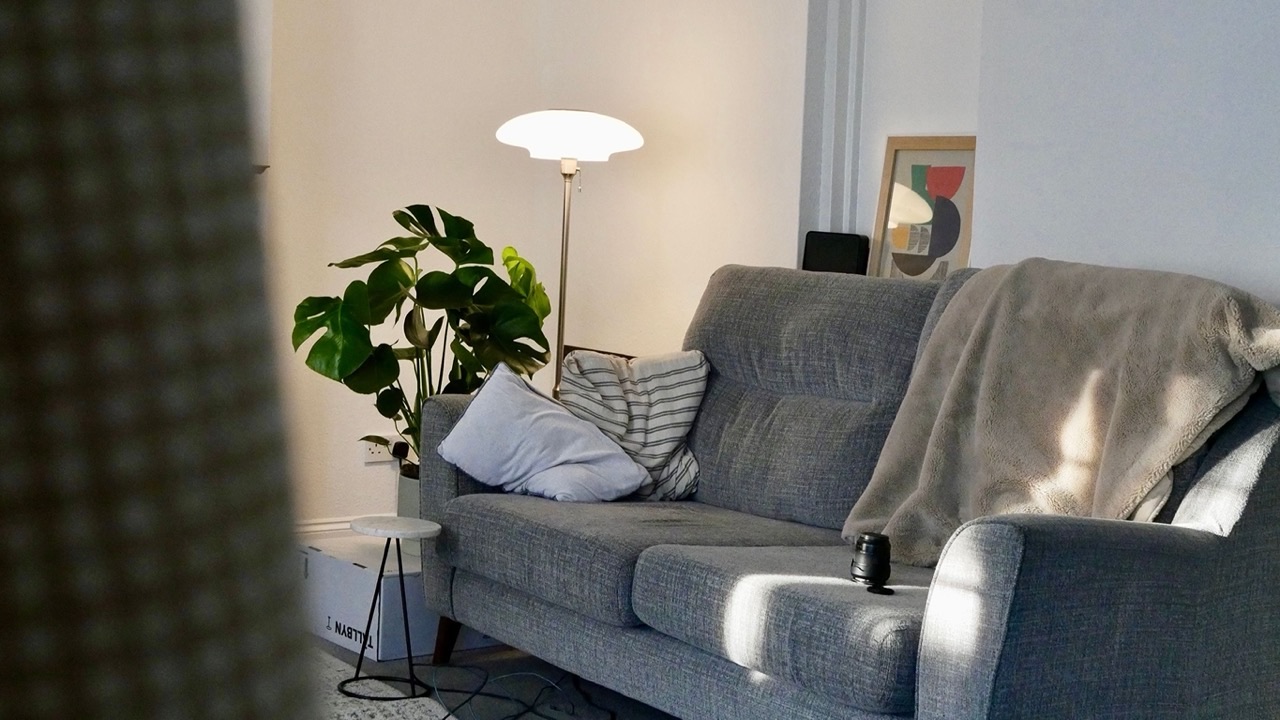
Walk through any home goods store and you’ll notice that most throw blankets are being sold as decor. They’re folded into neat rectangles, stacked in baskets, displayed at angles on couches that no one sits on. The product photography is aspirational: clean spaces, soft light, the blanket positioned just so. What you’re being sold, in that context, is a look.
That’s fine if what you want is a look. But it’s a different product than a blanket you actually use — one you grab when you’re cold, wash when it gets dirty, and fold imperfectly because you just woke up and it doesn’t matter. Most buyers want both things and end up with something that does neither well.
What “decorative accent” actually means in practice
A decorative throw is optimized for visual presentation. It’s usually lightweight — because heavier blankets don’t drape as elegantly in product photography. The color is chosen to photograph well, which often means either very saturated or very neutral. The texture is chosen for surface appeal: chunky knits, interesting patterns, fringe that looks good when folded.
What this prioritization leaves out: actual warmth, durability under repeated washing, how it feels against skin, and whether the construction holds up when it’s being used daily rather than displayed occasionally.
A chunky knit throw in a nice beige looks good in a living room and terrible after eighteen months of washing because chunky knits have exposed loops that catch on everything and pill aggressively. A blanket in a deep jewel tone looks striking in photos and shows every lint and pet hair clearly in actual use. These aren’t design flaws so much as evidence that the product wasn’t optimized for use.
What a functional throw has to do
A throw blanket that’s actually used needs to handle a specific set of demands: repeated folding and unfolding without losing its shape, washing at least monthly without significant degradation, actual thermal performance when you’re cold on a couch at 10 PM, and enough tactile comfort that you want to reach for it rather than leaving it decoratively placed.
This is a more demanding set of requirements than looking good in a basket. Meeting all of them simultaneously requires better materials and construction than the decorative tier typically offers.
The fiber matters first. A wool throw — and particularly a well-made one in merino, alpaca, or cashmere — handles both functions better than synthetic alternatives. The surface texture holds up through washing rather than pilling. The natural fiber drapes elegantly even when not perfectly arranged. The warmth is real rather than superficial. And the tactile experience is better, which means you’ll actually use it rather than leaving it displayed.
The problem with choosing one at the expense of the other
Buying purely for aesthetics usually means replacing the blanket within two years as it deteriorates. Buying purely for function — say, a plain fleece throw — means you have something warm that looks utilitarian on your couch and that you probably push to the side when people visit.
The better category, which is harder to find, is a Luxury Throw Blanket that’s genuinely beautiful without having been optimized for visual impact at the expense of material quality. These exist — they’re typically made from natural fibers, are available in colors and textures that work in real spaces, and are made with enough care in the construction that they look as good rumpled from use as they do neatly displayed.
The tell is usually in the detail: an elegant fringe that’s structurally integral to the weave, a milled surface that looks as good on day 300 as day one, a color that comes from natural dye rather than the cheapest synthetic available. These choices aren’t visible in product photography, which is why finding them requires knowing what to look for rather than buying based on what looks good on a screen.
How people end up with neither
The most common outcome in this category is a home that has several decorative throws — gifts, impulse purchases, things that looked good in context — that get rotated based on which one is least worn out, while actual warmth needs get handled by an old fleece blanket from ten years ago that’s not displayed because it doesn’t look good.
This is a solved problem if you’re willing to spend more money one time on a blanket that handles both functions. The financial case is the same as with most durable goods: the single better purchase over time is cheaper and more satisfying than repeated replacements of inadequate alternatives.
What to actually look for
When evaluating a throw for dual use — functional warmth and visual presence in a room — the checklist is specific:
The material should be a natural fiber. Wool, alpaca, cashmere, or blends of these age better and look better over time than any synthetic equivalent.
The weight should be in the functional range — 250–400 GSM is warm enough to actually use while light enough to drape well. Below this, it looks elegant but doesn’t provide meaningful warmth. Above it, it works well but may be too heavy for casual sofa use.
The construction should be tight enough to resist pilling. Hold the blanket up to light: if you can see through it easily, the weave is too loose to hold up under regular use.
The color should be one you’d want to live with daily, not just one that photographs well. Natural tones and classic colors are safer long-term choices than colors tied to a particular trend.
The version that lasts
I’ve spent time with both ends of this category — the purely decorative throws that look great in the closet and start deteriorating after the third wash, and the functional ones that work perfectly fine and look like something from a camping supply store. The version in between is available; it’s just not what gets the most marketing attention, because the marketing for home textiles is heavily weighted toward selling aesthetics.
The blanket that does both things well tends to be more expensive upfront and obviously worth it over a period of years. The ones that fail on one dimension — usually durability — will cost you more in aggregate and leave you with the frustrating situation of having something that either looks bad or functions poorly. Neither outcome is what you were trying to buy.